BRS Global Mobility expands its international network with new partners in Europe and Latin America
By establishing contact with our customers long before their arrival at their destination, we can identify their
1 01Europe/Madrid December 2026


News
By establishing contact with our customers long before their arrival at their destination, we can identify their
1 01Europe/Madrid December 2026


When you move across borders, protecting your personal and professional data matters as much as the move itself. That is why we have partnered with Sistelia cloudworks, our trusted IT expert.
20 de May de 2026
see more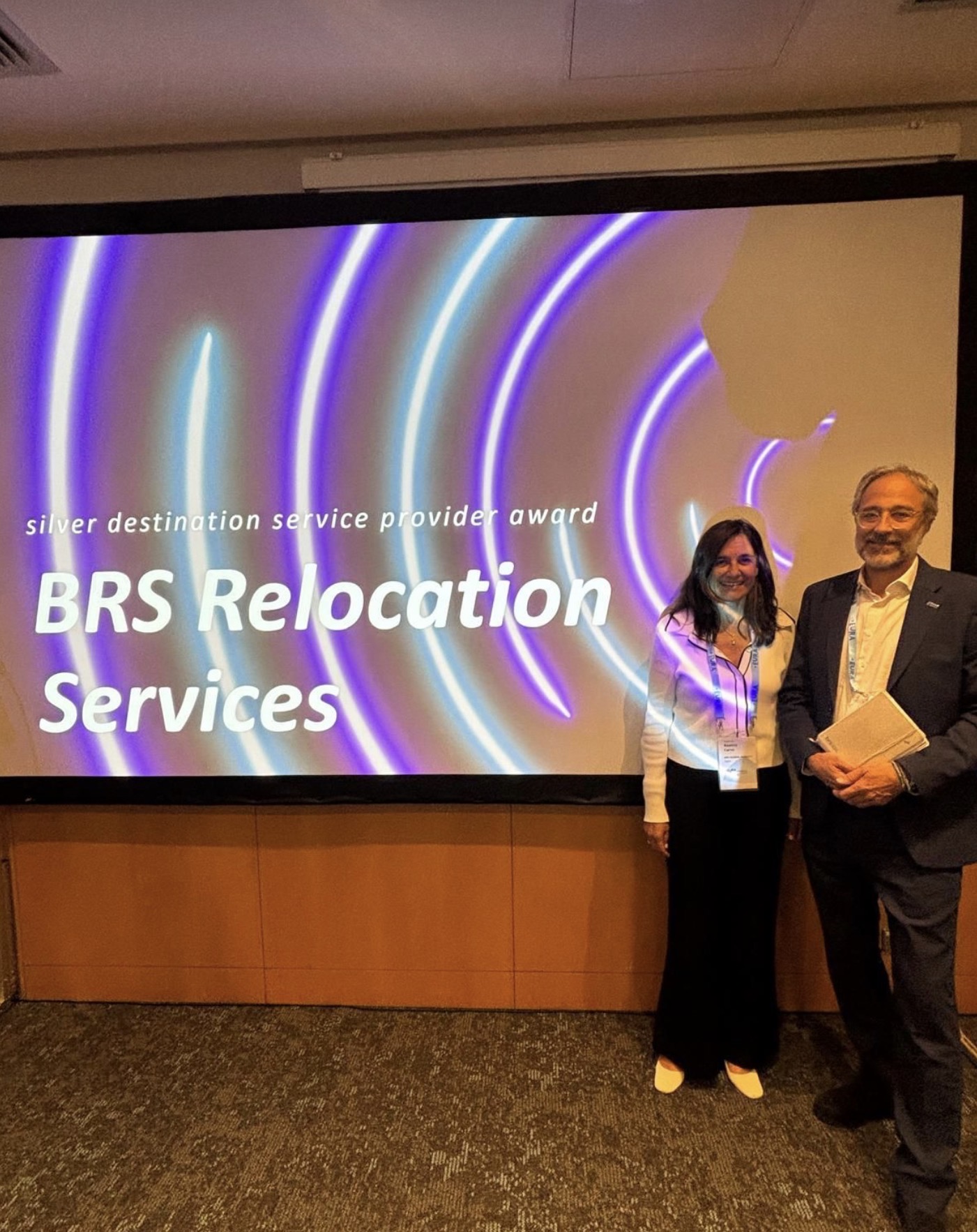
BRS has been awarded the Silver Destination Service Provider by Sirva, one of the world's leading global mobility and relocation management companies.
20 de May de 2026
see more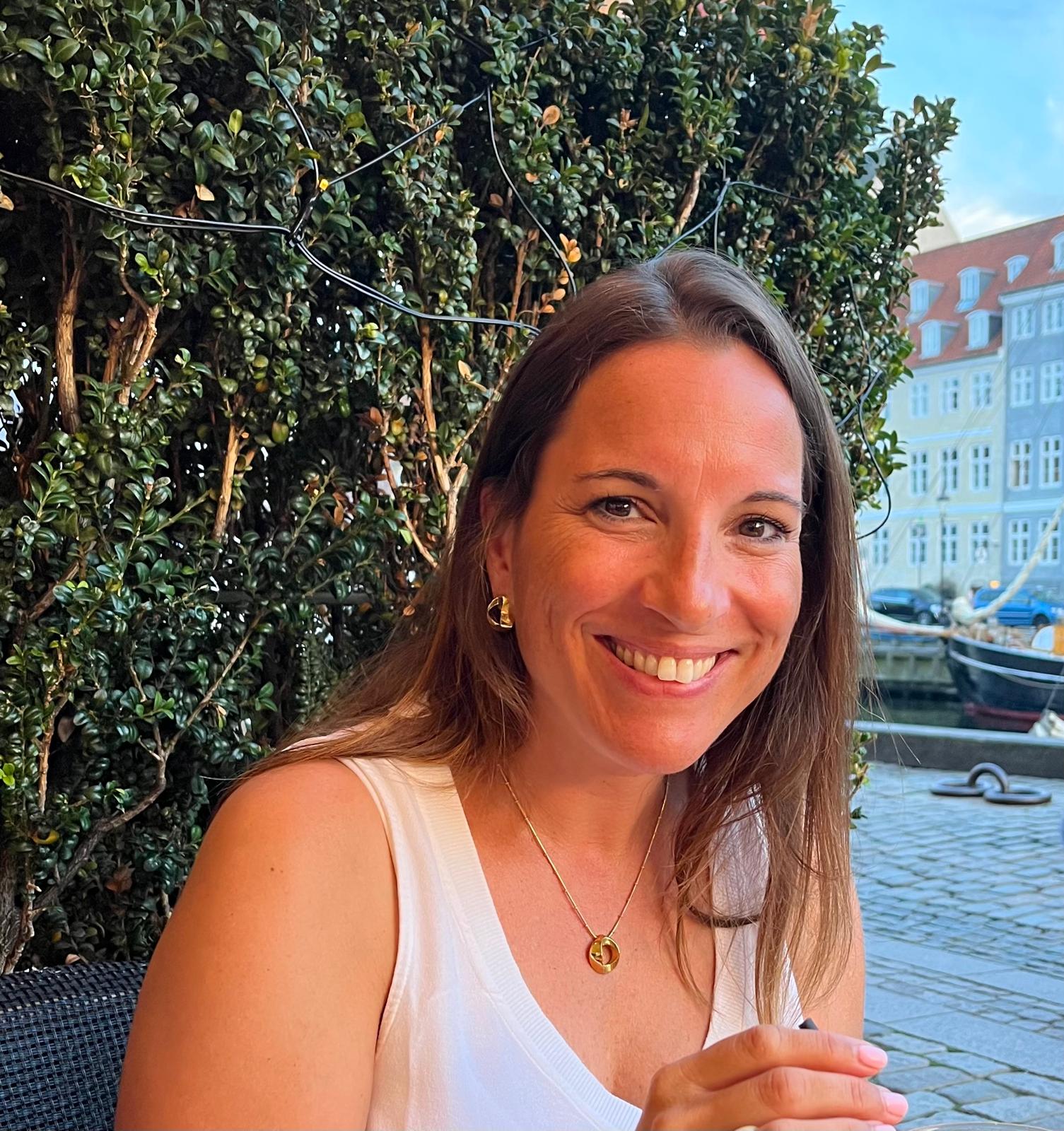
After 10 years living in Asia, she currently supports international families relocating to Barcelona
23 de March de 2026
Interview with Sonia Martori, Relocation Consultant at BRS Global Mobility
Can you describe your role as a relocation consultant at BRS Global Mobility?
My role as a relocation consultant is to provide a professional service to clients, but above all to transmit a sense of calm, trust, and reassurance. The goal is for clients to feel supported and confident, and ultimately happy with the service they receive. A key part of my work is making sure they feel accompanied throughout the process, that they are not alone and that there is a resilient professional who will help solve any issues that arise.
I cover the entire Barcelona area and its surroundings, working mainly with families with children. This is the profile I enjoy most, as it is also the most comprehensive type of relocation, particularly due to the importance of schooling. Education is the area where I feel most confident, largely because of my own personal experience.
I have been in my clients’ position myself. I lived abroad for ten years and returned from Korea with two children who were not born in Spain. I went through the same challenges they face now, navigating both the public and private school systems. This allows me to explain the local education system, schools, and language options from first-hand experience. What defines me most is being able to say, honestly, “I’ve been through this.” I speak to them not only as a consultant, but also as a mother. Sharing my own experience, my challenges and how I overcame them, adds real value. In addition, I know the country well and understand both the administrative side and the family perspective, which is another important advantage.
What are the key steps in the relocation process for an international employee?
The most important topics are addressed from the very first call, especially housing and schooling, as these are the areas that generate the most concern. Many clients arrive already aware of how challenging the housing market is, so from the beginning I help them put things into perspective, without creating pessimism. I explain that although options may be limited, they will find a home, but that the “perfect house” does not exist. What matters most is learning to visualize how they want to live and identifying the option that best fits their lifestyle.
Alongside housing, documentation is critical. I emphasize the importance of requesting birth and marriage certificates well in advance, as they are only valid for three months and must be apostilled. After the initial discussion, I provide a clear summary outlining the services we will deliver, the documentation required, and an overview of the current housing market.
For families, the first major decision is choosing a school, and housing is then selected accordingly. It is important to consider practical aspects, such as commuting time for children, as no parent wants their child spending an hour on a school bus. During orientation tours, we visit different areas, review options in person, and assess traffic conditions. Ultimately, all decisions belong to the family; our role is to present all viable options. In some cases, temporary accommodation is arranged so they can test an area before committing. Each family decides what works best for them.
What are the biggest challenges expats face when relocating to Spain?
Adaptation in Spain is generally fast. For Europeans, adjusting is usually easy. Americans often find the experience wonderful, while for Latin American families, Spain is perceived as a paradise in terms of safety. Asian expats tend to face more challenges, particularly due to the language barrier.
Japanese and Korean families, for example, greatly appreciate the culture, but often find it difficult to build daily life around a strong community network, as Spain does not have clearly defined ethnic neighborhoods. The same applies to Indian families. Communities are very dispersed. International schools are concentrated in certain areas, such as Sarrià–Sant Gervasi or outside the city, while neighborhoods like Diagonal Mar tend to attract younger families but do not have international schools.
Barcelona has become a very international city, with expats living throughout the metropolitan area. International school bus routes cover the entire city, allowing families to live almost anywhere. One structural difference compared to other countries is that housing is very individual; there are no condominiums or residential complexes with shared services.
What kind of support do you provide for families relocating with children?
Support for families is especially focused on schooling, housing, and overall integration. I help parents understand the education system, compare school options, and assess how these choices impact daily life. I also guide them through neighborhood selection, commuting considerations, and administrative procedures.
Because I have gone through the process myself, I am able to anticipate concerns and explain things in a practical, empathetic way. Families often feel reassured knowing they are supported by someone who truly understands both the emotional and logistical aspects of relocating with children.
How do you help international employees adjust to Spain’s culture and daily life?
Cultural adjustment is closely linked to practical guidance. I help clients understand how daily life works in Spain, from administrative procedures to housing norms and local expectations. Spain’s bureaucracy can be complex and rarely operates in other languages, so having local support is essential. A small mistake, especially in residency or legal procedures, can have serious consequences.
Housing also requires careful guidance. The market can be challenging, and there are risks such as fraud or agencies charging fees just to visit properties. Without a trusted local professional, it is easy to feel lost or taken advantage of. I help clients navigate this environment safely and realistically, ensuring they understand both opportunities and risks.
Can you share a memorable relocation experience?
One of my earliest relocations involved a very senior executive from one of the world’s largest pharmaceutical companies and his family from Brazil. It was July and Barcelona was fully booked. Thanks to my contacts in the hotel industry, we managed to secure a room at one of the best hotels in the city at a reduced rate for a few nights, until temporary accommodation became available.
A few days later, I found them a house in Sant Cugat. Over time, we kept meeting in the neighborhood and they were very happy there. I continued helping them with additional procedures, and despite a difficult start, the relationship turned into a strong and trusting one. Experiences like these, including clients who later send me photos of their children, are especially meaningful to me.
How has the relocation industry evolved over the years?
Relocation services have become increasingly essential as international mobility grows more complex. Administrative requirements, data protection issues, and housing market pressures have all intensified. Today, clients are required to provide very complete personal profiles, particularly for housing, which raises concerns about data vulnerability.
At BRS Global Mobility, we request formal authorization from clients before sharing their information with government bodies or real estate agencies, as transparency and data protection are critical. Without professional guidance, navigating these changes can be overwhelming and risky for international assignees.
What advice would you give to employees or families preparing to relocate to Barcelona?
My main advice is not to face the process alone. Bureaucracy in Spain is complex and unforgiving, and housing can be particularly challenging without local expertise. A trusted relocation partner can prevent costly mistakes, detect potential fraud, and provide realistic expectations.
Flexibility is also key. There may be limited housing options, and properties are not always well maintained, but with the right guidance and a clear understanding of priorities, it is possible to find a solution that works well for each family.
Why is it essential for companies to offer comprehensive relocation services for international employees?
Comprehensive relocation services are essential because they protect both the employee and the employer. Proper support ensures that international employees can focus on their roles instead of struggling with administrative, housing, or integration issues. It also helps companies retain talent by ensuring a smoother, more positive relocation experience.
For example, Sant Cugat is often very appealing to international employees. It has a strong expat community and hosts many international companies. When I show families around the area, they often fall in love with it immediately. This kind of local insight is what makes comprehensive relocation support truly valuable.
Sonia has lived the relocation journey herself: ten years abroad and a return to Spain with two children. As both a consultant and a mother, Sonia supports families from real first-hand experience.

Today, Barcelona’s streets come alive with roses and books as friends and partners exchange gifts in one of the region's most beautiful traditions.
23 de March de 2026
see more
We are heading to Malta for EuRA 2026. BRS will be attending the event from April 27–30, and we’re looking forward to connecting with partners, clients, and industry leaders from across the globe.
23 de March de 2026
see more
Easter in Spain is more than a holiday, it’s a reflection of identity, history, and community. During Semana Santa, Spain brings its cultural heritage to life through religious processions and family traditions that have been passed down for generations.
23 de March de 2026
see more